In 2026, Personal Protective Equipment In Workplace is becoming more intelligent, task-specific, and closely connected to everyday safety decisions. A hard hat alone cannot protect a worker from every risk. A maintenance technician may need impact-rated eyewear, cut-resistant gloves, hearing protection, and slip-resistant footwear. A laboratory worker may require chemical-resistant gloves, a face shield, and a properly fitted respirator. The correct choice begins with hazard assessment, not product popularity.
Dr. John Howard, Director of the National Institute for Occupational Safety and Health, has emphasized, “PPE is the last line of defense.” This principle still matters. Employers should control hazards through safer equipment, isolation, ventilation, and clear procedures before relying on protective gear. PPE remains essential when risks cannot be fully removed. However, uncomfortable equipment may be ignored. Poorly fitted protection may create new problems. These details are easy to underestimate.
This guide examines the 2026 best options for workplace protection, including advanced helmets, smart hearing protection, protective eyewear, gloves, footwear, fall protection, and respiratory equipment. It considers comfort, durability, certification, maintenance, and real working conditions. A glove that protects against cuts may reduce dexterity. A respirator may require fit testing and careful cleaning. No product is perfect. The strongest safety program accepts that limitation and reviews equipment after incidents, near misses, seasonal changes, and worker feedback. A dusty workshop, a noisy production line, and a wet loading area demand different solutions. Good PPE works because people can trust it, wear it correctly, and replace it before protection quietly fails.
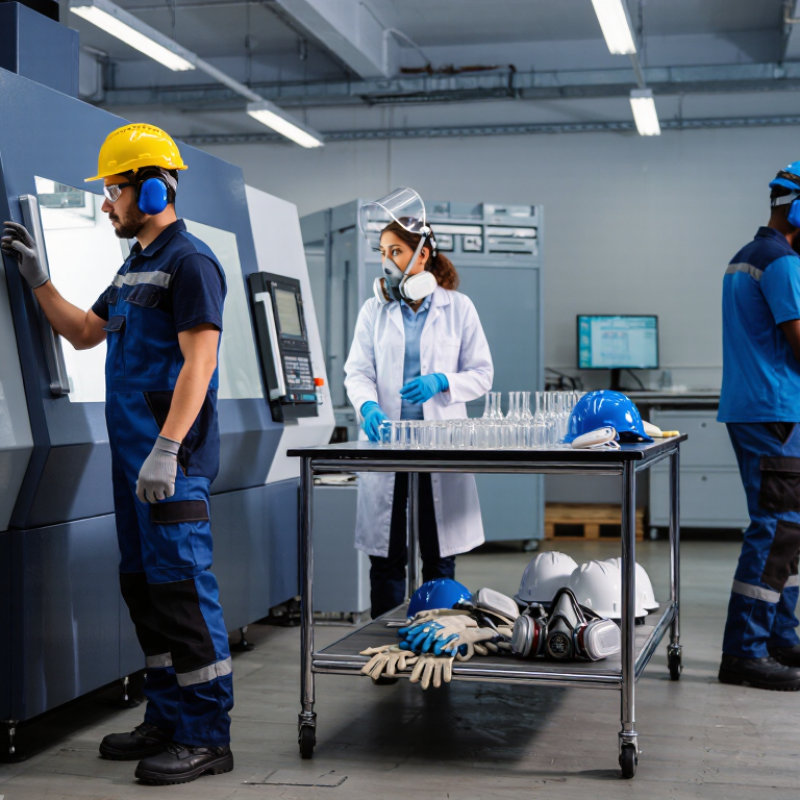
Workplace PPE is more than a helmet, glove, or pair of safety glasses. It is the final barrier between a worker and a known hazard. Effective protection begins with a site-specific risk assessment. Managers should examine noise, dust, chemicals, heat, falling objects, and moving equipment. Workers also need clear training on selection, fitting, cleaning, storage, and replacement.
In my experience, poorly fitted PPE often becomes a hidden hazard. Fogged lenses may cause workers to lift eye protection. Loose gloves can catch on machinery. Ear protection may be removed when communication becomes difficult. These details matter. Reliable safety programs combine PPE with guarding, ventilation, safe procedures, and regular supervision. PPE should support these controls, not replace them. Standards and workplace requirements must be checked before equipment is approved.
Tips: Inspect PPE before every shift. Look for cracks, worn straps, blocked filters, or damaged stitching. Choose the correct size, and test movement before entering the work area. Keep reusable items clean and dry. Replace questionable equipment, even when the damage seems minor. Supervisors should invite honest feedback from workers. A rule can look perfect on paper and still fail beside a noisy machine. Pain, fogging, or restricted movement should trigger a review, not blame.
| PPE Category | Primary Workplace Hazard | Recommended Protection | Key Selection Criteria | Important Limitations | Inspection and Replacement Guidance |
|---|---|---|---|---|---|
| Safety Helmets | Falling objects, flying debris, and contact with overhead or electrical hazards | Head protection with an impact-resistant shell and a secure suspension system | Correct class for the hazard, proper fit, adjustable suspension, compatible accessories, and adequate ventilation | Does not protect the face, neck, or hearing; damaged or modified shells may lose protective performance | Check before each use for cracks, dents, UV damage, and worn suspension; replace after severe impact or when damaged |
| Safety Glasses | Dust, chips, particles, and minor flying fragments | Impact-resistant eye protection with side coverage | Clear or task-specific lenses, comfortable fit, side shields, anti-fog performance, and compatibility with prescription eyewear | Usually insufficient for chemical splashes, high-velocity hazards, or intense radiation without additional protection | Clean regularly; replace lenses when scratched, cracked, clouded, or unable to provide a clear field of vision |
| Chemical Splash Goggles | Liquid chemical splashes, irritating vapors, and airborne droplets | Enclosed eye protection with indirect ventilation and a sealed fit where required | Chemical compatibility, splash-resistant design, anti-fog treatment, and compatibility with face shields or respirators | Not automatically suitable for all chemicals, impact hazards, or oxygen-deficient atmospheres | Inspect seals, straps, and lenses before use; replace if the seal is damaged or the material becomes cloudy, brittle, or discolored |
| Face Shields | Large splashes, sparks, molten particles, and flying fragments | Full-face coverage used with appropriate eye protection | Impact rating, chemical resistance, visor clarity, coverage below the chin, and headgear adjustability | A face shield alone is generally not a substitute for safety glasses or goggles | Clean with materials approved for the visor; replace after cracks, deep scratches, distortion, or reduced visibility |
| Hearing Protection | High noise from machinery, tools, vehicles, and industrial processes | Earplugs, earmuffs, or dual protection selected according to measured noise exposure | Noise level, exposure duration, attenuation rating, communication needs, hygiene, and compatibility with headgear | May reduce communication and warning-signal awareness; incorrect fitting significantly reduces protection | Replace disposable earplugs after use; clean reusable devices and replace cushions or plugs when compressed, cracked, or contaminated |
| Respirators | Dusts, fumes, mists, vapors, gases, and biological aerosols | Filtering facepieces, elastomeric respirators, or powered systems selected for the identified contaminant | Contaminant type and concentration, oxygen level, assigned protection factor, fit testing, facial hair, and medical suitability | Air-purifying respirators do not supply oxygen and may not protect against unknown or immediately dangerous atmospheres | Inspect valves, straps, seals, and cartridges; replace filters according to the written change schedule or when damaged, clogged, or contaminated |
| Protective Gloves | Cuts, punctures, abrasions, chemicals, heat, cold, and biological contamination | Task-specific hand protection selected for the material and exposure route | Resistance to the exact chemical or mechanical hazard, dexterity, grip, cuff length, thermal rating, and correct size | No glove protects against every hazard; some materials can permeate chemicals without visible damage | Inspect for tears, holes, swelling, stiffness, and contamination; replace immediately when protection is compromised |
| Protective Footwear | Falling objects, crushing, punctures, slips, electrical contact, and temperature extremes | Safety footwear with suitable toe, sole, puncture, slip, or electrical properties | Hazard-specific construction, fit, tread, toe protection, sole resistance, ankle support, and workplace compatibility | Toe protection does not prevent all foot injuries; wet, oily, or worn soles can reduce traction | Check soles, uppers, seams, toe areas, and fasteners; replace when tread, structural integrity, or protective components are degraded |
| Protective Clothing | Chemical contact, heat, flame, sparks, contamination, and high-visibility requirements | Coveralls, gowns, aprons, chemical-resistant suits, or high-visibility garments | Material compatibility, seam construction, coverage, breathability, visibility, thermal performance, and ease of decontamination | Some garments increase heat stress or restrict movement; contaminated clothing may require special removal and disposal | Inspect seams, closures, reflective areas, and fabric; remove from service when torn, contaminated beyond cleaning, or visibly degraded |
| Fall Protection | Falls from elevated work platforms, roofs, ladders, and open edges | Full-body harnesses, connecting devices, lifelines, and approved anchor systems | Compatible system components, anchor location, clearance, rescue planning, fit, training, and fall-arrest versus restraint needs | A harness does not prevent a fall by itself; improper clearance or delayed rescue can cause serious injury | Inspect before each use for cuts, burns, fraying, deformation, corrosion, and damaged labels; remove after a fall arrest or serious impact |
Start with the hazard, not the equipment catalog. Walk through each work area and record particles, chemicals, noise, heat, and poor visibility. Ask workers about risks they notice during daily tasks. Their practical observations may reveal overlooked dangers.
Use safety glasses with side protection for flying particles. Add a face shield when grinding may send hot fragments across the room. Check lenses, straps, and visibility before every shift. Fogged eyewear often gets removed.
Select gloves verified for the specific chemical and task. Oil resistance does not guarantee solvent resistance. Check the current safety data sheet before choosing materials. Small differences matter.
Assess airborne exposure, cartridge limits, fit testing, and medical suitability. A tight-looking seal may still leak around facial hair or small gaps. Keep the sealing area clean and follow required testing procedures. Fit matters.
Match earplugs or earmuffs to measured noise levels. Use high-visibility clothing near moving vehicles or low-light areas. Choose footwear with a tested traction rating, not only a deep tread. Floors can remain dangerous.
Inspect straps, seals, lenses, seams, closures, and fasteners. PPE should feel secure without restricting necessary movement. Safety footwear should support the heel and leave toe space. Loose gloves may catch in machinery.
Clean reusable equipment according to its instructions. Store it away from sunlight, heat, moisture, and contamination. Do not share uncleaned PPE. Replace cracked, clouded, stretched, or weakened items immediately.
Use short, task-based training near the work area. Ask workers to demonstrate adjustments, inspections, cleaning, and emergency removal. Record fit-test dates and replacement triggers. Signing a sheet proves little.
Conduct brief pre-shift checks and observe equipment use in the field. Review incidents, near misses, and worker feedback each month. A checklist can still miss real behavior. That gap deserves attention.
This guide to Personal Protective Equipment In Workplace explains how the right protective gear helps reduce injuries and support a safer, more productive environment. It introduces the purpose of PPE and shows how to select suitable protection for common hazards, including impact, noise, airborne particles, chemicals, heat, and workplace falls. The article also compares major PPE categories and their protective features, helping employers and workers make practical choices based on risk assessments rather than convenience alone.
Beyond selection, the guide emphasizes correct fit, proper use, routine inspection, cleaning, storage, and timely replacement. It also highlights the importance of employee training, clear workplace procedures, and consistent documentation. By following updated 2026 expectations for PPE education and compliance, organizations can strengthen safety awareness, improve daily protection, and ensure that equipment remains effective throughout its service life.

 GoPro Safety