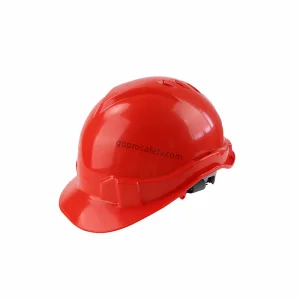
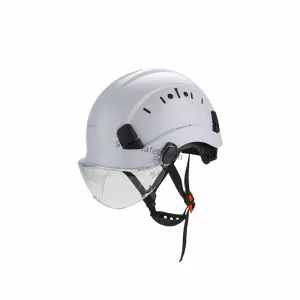
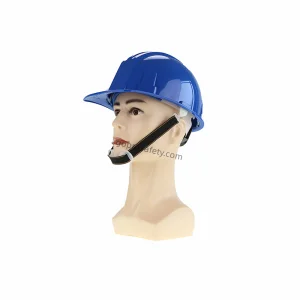
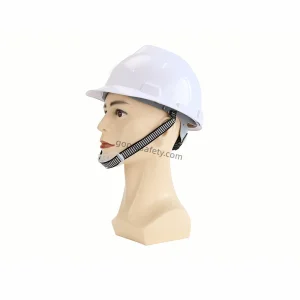
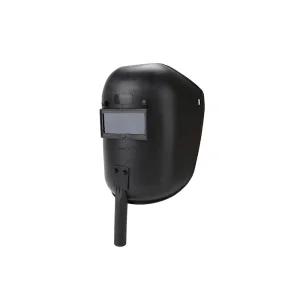
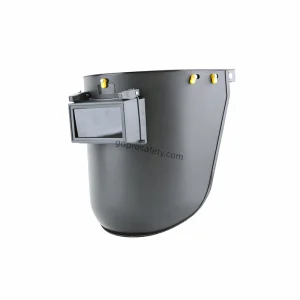
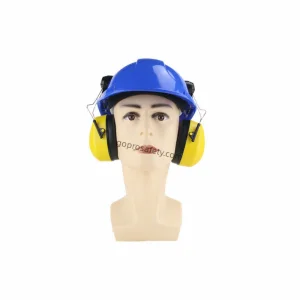
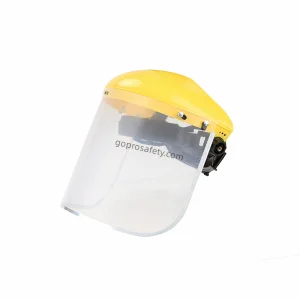
Head Protection Companies & Product for Equatorial Guinea

Premium Personal Protective Equipment for Offshore Oil & Gas, Petrochemical, and Industrial Operations

Send Inquiry Now
15+
Years Sourcing Experience
100%
CE/ANSI Certified
50+
Global Petrochemical Clients
24h
Response Commitment

Equatorial Guinea Industrial Dynamics & Safety Mandate

Equatorial Guinea, centered around the economic engines of Malabo (Bioko Island) and Bata (Rio Muni), represents one of West Africa's key energy hubs. The nation's economy is highly dependent on oil and gas exploration, offshore drilling (Zafiro, Ceiba, and Okume fields), LNG liquefaction complexes, and infrastructure modernization. In these high-risk sectors, ensuring workplace safety is paramount.

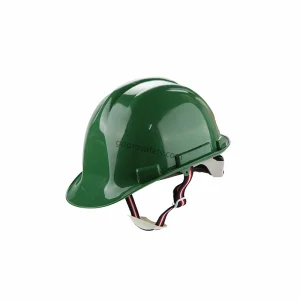
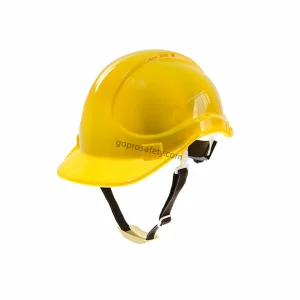
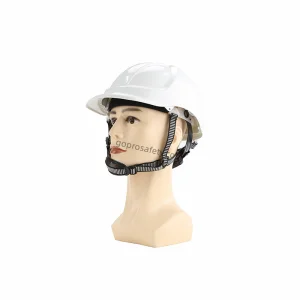
Operations in the Gulf of Guinea face extreme conditions: high relative humidity (often exceeding 90%), intense UV exposure, and salt-laden marine air. Standard industrial headwear often degrades quickly under these aggressive environments. This is why safety compliance managers in Equatorial Guinea demand robust, UV-resistant, and high-impact safety helmets that comply with international safety criteria such as EN 397 and ANSI Z89.1.

From deep offshore drilling platforms to construction projects extending across Bata, head protection is not merely a legal requirement; it is the cornerstone of life preservation under hazardous working environments. Reliable supply lines for personal protective equipment (PPE) must deliver products capable of resisting high impact force, lateral deformation, and high voltage risks.

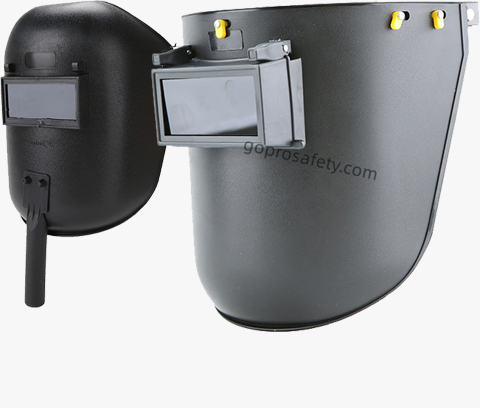
Equatorial Guinea Industrial Safety Infrastructure
Global Quality Control Standards for PPE Sourcing

Why Global Procurement Officers Choose GoProSafety

At GoPro Safety, we focus on making PPE sourcing from China simpler, more reliable, and more efficient for global buyers. Managing risks across international supply chains requires a partner who understands both manufacturing quality and the local logistical realities of West African ports like Malabo and Bata.

To support buyers, we have built our operations around four core pillars:

  • Responsible PPE Supply: We prioritize product performance, durability, and worker safety, ensuring each PPE product is suitable for real industrial environments.
  • Stable Manufacturing Network: We cooperate with experienced PPE factories in China to maintain stable capacity, consistent quality, and competitive lead times.
  • Flexible OEM & Order Support: From logo branding and packaging customization to small trial orders and bulk shipments, we adapt to your procurement needs.
  • Quality Control & Export Readiness: Each order follows defined inspection procedures and is prepared with proper packing, labeling, and export documentation.

Technical Roadmap & Material Innovations

A deep dive into advanced polymer structures and ergonomics optimized for humid tropical climates.

Advanced Polymers

High-Density Polyethylene (HDPE) and Acrylonitrile Butadiene Styrene (ABS) shells offer optimal impact absorption and resistance to chemical corrosion.

Dielectric Insulation

Class E safety helmets are designed and electrically tested to withstand up to 20,000 volts, crucial for high-voltage utilities and offshore substations.

UV Stabilized Shells

Engineered with UV inhibitors to prevent polymer embrittlement and cracking caused by the intense solar radiation of Equatorial Guinea.

Integrated Ergonomics

Equipped with multi-point suspension harnesses (4-point or 6-point) and adjustable wheel ratchets to ensure stable fit and load distribution.

Our PPE Supply Process

Ensuring seamless coordination from initial technical requirements to global delivery at West African ports.

Step 1. Inquiry & Requirement

Inquiry and safety specifications check

Step 2. Recommendation & Quotation

Custom safety quote matching EN/ANSI standards

Step 3. Sample Preparation & Confirm

Sample testing and verification

Step 4. Production & QC Quality Control
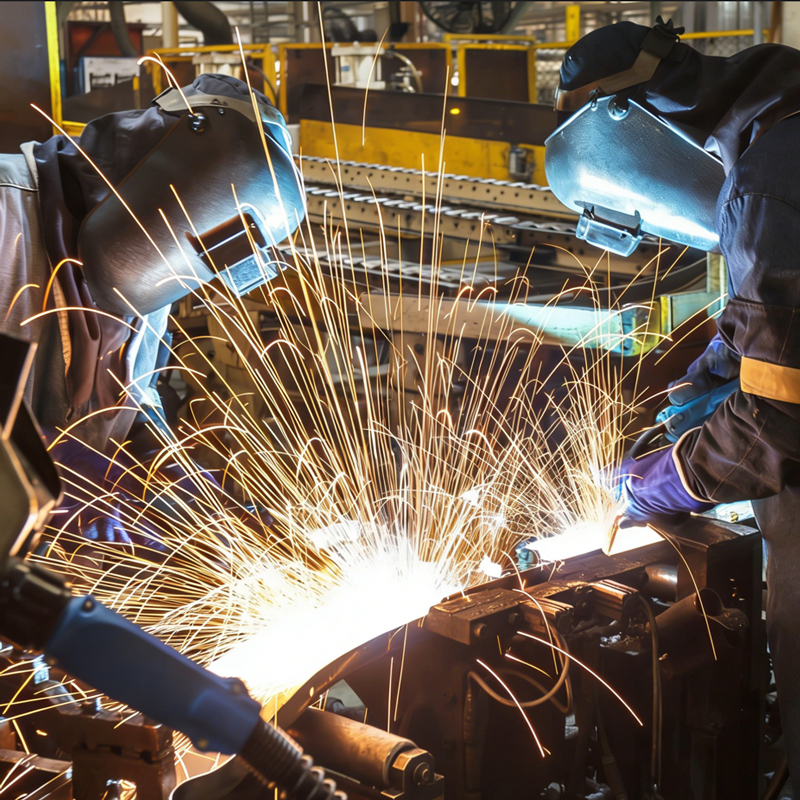
Rigid testing for penetration and shock absorption

Step 5. Packing & Global Delivery

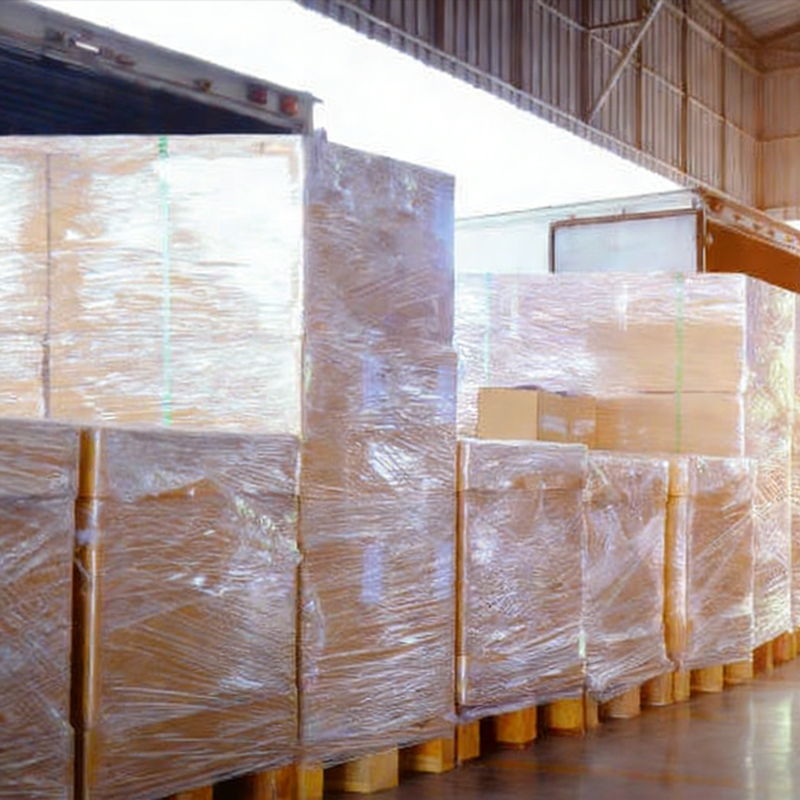
Logistics and customs documentation for Malabo/Bata

Localized Scenarios & Environmental Challenges in Equatorial Guinea

Evaluating the impact of West African maritime and industrial climates on safety equipment longevity.

Industrial operations within Equatorial Guinea are exposed to extreme environmental challenges that differ significantly from moderate zones. Our research highlights three high-risk sectors where specific head protection materials are required:

1. Offshore Drilling and Marine Exploration

Offshore drillships and production platforms operating in the Atlantic Ocean are exposed to constant salt spray and strong winds. Corrosion of components must be prevented. In these environments, metal components in safety helmets (such as clips or suspension rivets) are replaced with nylon or reinforced polymers to avoid corrosion. Non-conductive and spark-proof safety helmets are mandatory on gas extraction fields near Punta Europa.

2. Petrochemical Plants & Gas Liquefaction Terminals

In refineries and storage terminals, thermal radiation risks are common. Industrial workers require safety helmets made of impact-resistant ABS or Polycarbonate that can withstand high temperatures without losing structural integrity. Ventilation slits are integrated to minimize heat stroke risks in high-humidity zones.

3. Heavy Infrastructure & Port Construction (Bata Port Expansion)

Port cargo handling, road expansion, and civil engineering projects involve multi-directional impact risks. Standard Type I helmets (designed only for top impacts) may not provide sufficient protection against side impacts. We recommend Type II high-impact safety helmets featuring internal EPS liners to absorb energy from lateral, front, and rear impact forces.

Comprehensive Catalog: Sourcing Safety Equipment

Select from our specialized configurations ready for deployment in Equatorial Guinea industrial zones.
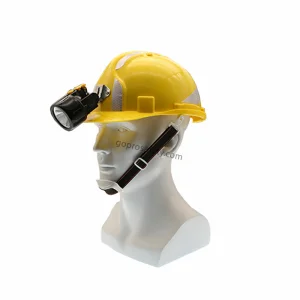
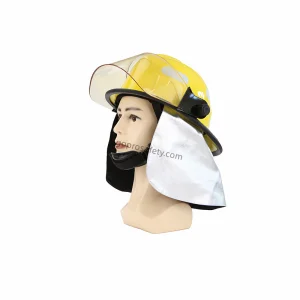
Macro PPE Industry Quality Protocols

Understanding the quality inspections required for compliance and global distribution.

Sourcing safety equipment from China requires rigorous testing protocols. For each production run, GoProSafety subjects the helmets to the following validation processes prior to shipment:

  • Shock Absorption Test: A 5kg steel striker is dropped onto the crown of the safety helmet from a height of 1 meter to measure transmitted force (must remain under 5.0 kN to comply with EN 397 standards).
  • Penetration Resistance: A 3kg pointed striker is dropped from 1 meter. No contact must occur between the striker and the head form.
  • Flame Resistance: The helmet shell is exposed to a direct burner flame for 10 seconds. Upon removal, it must not continue burning for more than 5 seconds.
  • Chinstrap Anchorage Release: Test forces are applied to the chin strap to ensure it releases between 150N and 250N, avoiding strangulation risks while preventing the helmet from falling off during standard activities.
  • Low-Temperature Resilience: Helmets are pre-conditioned at sub-zero or high-ambient temperatures to verify impact performance is retained across all temperature ranges.

About Us

GoProSafety is a professional personal protective equipment (PPE) supplier based in China, supporting global buyers with reliable safety products and responsible sourcing solutions.

We focus on long-term cooperation, transparent communication, and consistent quality — not just competitive prices. Our professional support team works with regional distributors and HSE officers to ensure that industrial safety standards are upheld across every worksite.

Whether you require standard orders or customized OEM products, we manage production, quality verification, and shipping processes to minimize procurement risk.

GoProSafety Corporate Quality Control and Testing Center

Head Protection Procurement FAQ

Answers to technical and logistical questions for procurement managers in Equatorial Guinea.

1. Which safety helmet standard is recommended for offshore drilling in Equatorial Guinea?
For offshore drilling platforms, EN 397 (European standard) or ANSI/ISEA Z89.1 Type I/Type II Class G & E are recommended. Offshore operations involve risk of high-voltage contact and falling objects. Helmets must offer reliable impact absorption and electrical insulation. We ensure all headwear supplied for oil & gas projects meets or exceeds these certifications.
2. How does high humidity affect the lifespan of safety helmets?
Constant humidity and high temperatures can cause degradation of textile harnesses and sweatbands, which can lead to bacterial growth if not properly cleaned. The structural shell itself is made of HDPE or ABS, which is resistant to humidity. However, exposure to intense tropical UV light can degrade polymers over time. We recommend replacing standard shells every 3 to 5 years, or immediately if they display discoloration, deep scratches, or cracks.
3. What is the difference between HDPE and ABS safety helmets?
HDPE (High-Density Polyethylene) is lightweight, flexible, and offers good impact protection, making it suitable for general construction and budget-friendly projects. ABS (Acrylonitrile Butadiene Styrene) is a rigid thermoplastic that provides superior scratch resistance, structural strength, and high impact performance. ABS is recommended for heavy industrial zones, petrochemical plants, and marine environments.
4. Can we customize the helmets with our corporate logo and colors?
Yes. Through our OEM support, we offer logo pad printing and custom colors. We can print multi-color corporate logos on the front, sides, or rear of the helmet shell during production. We can also customize the suspension harness, packing boxes, and warning labels to align with your brand requirements.
5. How do you handle shipping and customs clearance for Malabo and Bata ports?
We work with experienced shipping lines to manage export documentation, including Bills of Lading, Certificates of Origin, packing lists, and commercial invoices. We can ship via FCL (Full Container Load) or LCL (Less than Container Load) to the Port of Malabo or Port of Bata, coordinating with your local customs brokers to ensure compliance with Equatorial Guinea importing regulations.
6. What is the MOQ (Minimum Order Quantity) for safety helmets?
Our standard Minimum Order Quantity (MOQ) ranges from 500 to 1,000 units depending on the model and color customization requirements. For trial orders, we can discuss flexible configurations to help you evaluate the performance of our products on-site.
7. Are there ventilated options available for hot climates?
Yes. We offer ventilated safety helmets with adjustable air vents. These vents allow heat to escape, reducing the user's microclimate temperature by up to 2-3 degrees Celsius, which is beneficial for work in tropical zones. Please note that ventilated models do not carry a high-voltage Class E electrical rating because the vents could allow electrical arcs to contact the head.
8. What inspection certificates are provided with the shipments?
We provide CE test reports, ANSI compliance certificates, and internal factory inspection reports covering impact, penetration, and electrical insulation tests. These documents verify that our safety helmets meet the safety regulations required by international oil majors and EPC contractors.

Secure Your Workforce with Certified Head Protection

Consult with our engineers to configure the optimal safety specifications for your offshore or onshore projects in Equatorial Guinea.

Send Inquiry Now

Safety Partner Certification Logo 1
Safety Partner Certification Logo 2
Safety Partner Certification Logo 3
Safety Partner Certification Logo 4